Ultimate Guide to Organic Gardening for Beginners
Discover the essentials of organic gardening with our beginner's guide. Learn how to grow healthy, chemical-free plants in your own backyard.
Understanding Organic Gardening
Organic gardening is a method of growing plants that relies on natural processes and materials. Unlike conventional gardening, which often uses synthetic fertilizers and pesticides, organic gardening focuses on building a healthy ecosystem. This approach not only produces nutritious and flavorful produce but also helps protect the environment. Healthy soil, composting, and companion planting are key components of organic gardening. By understanding these principles, beginners can start their organic gardening journey with confidence and enthusiasm.
Preparing Your Soil
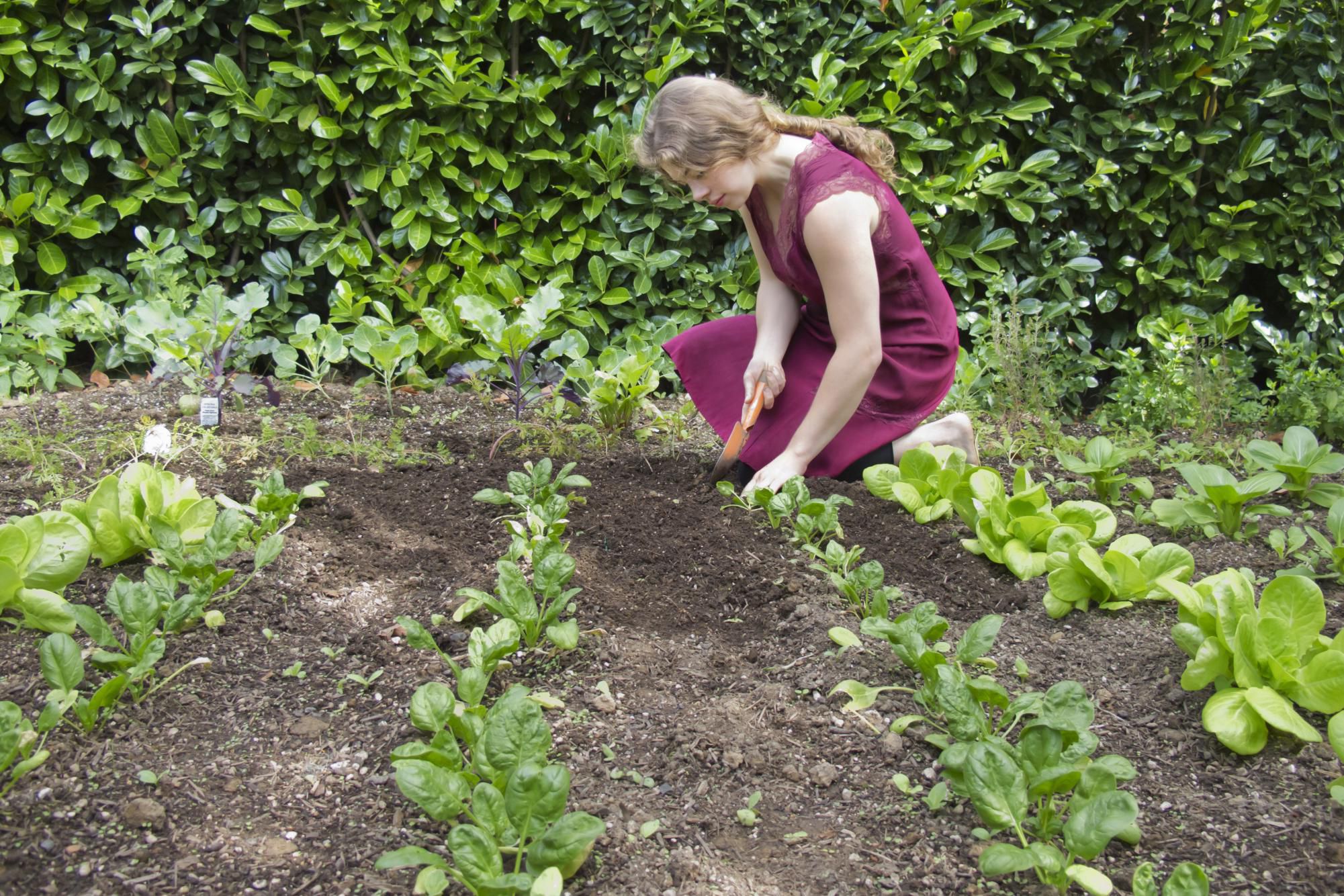
The foundation of a successful organic garden is healthy soil. Before planting, it is crucial to assess and improve your soil. Start by testing the pH and nutrient levels, which can be done with a home test kit or by sending a sample to a lab. Based on the results, you may need to amend your soil with organic matter such as compost, aged manure, or cover crops. These amendments not only provide essential nutrients but also improve soil structure, water retention, and microbial activity, creating an ideal environment for plant growth.
Choosing the Right Plants
Selecting the right plants for your organic garden is essential for success. Consider your climate, soil type, and available sunlight when choosing plants. Native plants and heirloom varieties are often more resilient and better suited to organic gardening practices. Additionally, consider incorporating a mix of vegetables, herbs, and flowers to promote biodiversity and attract beneficial insects. Starting with easy-to-grow plants such as tomatoes, lettuce, and basil can help build confidence and ensure a fruitful harvest.
Planting Techniques
Proper planting techniques are vital for the health and productivity of your garden. When planting seeds or seedlings, follow the recommended spacing and depth guidelines to ensure adequate air circulation and root growth. Mulching with organic materials like straw, leaves, or grass clippings helps retain moisture, suppress weeds, and regulate soil temperature. Additionally, practice crop rotation and succession planting to maximize yields and minimize pest and disease issues. By adopting these techniques, you can create a thriving organic garden.
Watering Wisely
Water is a crucial element in organic gardening, but it is important to use it wisely. Overwatering can lead to root rot and other issues, while underwatering can stress plants and reduce yields. To maintain optimal moisture levels, water deeply and infrequently, allowing the soil to dry out slightly between watering. Drip irrigation systems and soaker hoses are efficient methods for delivering water directly to the root zone. Additionally, watering in the early morning or late afternoon reduces evaporation and ensures that plants have adequate moisture throughout the day.
Natural Pest Control
Managing pests in an organic garden requires a proactive and integrated approach. Start by promoting a healthy ecosystem with diverse plantings and beneficial insects such as ladybugs and predatory wasps. Companion planting can also help deter pests; for example, planting marigolds with tomatoes can repel nematodes. If pests become a problem, use natural remedies such as neem oil, insecticidal soap, or homemade garlic spray. Regularly inspect your plants for signs of pests and diseases, and take action promptly to prevent infestations from spreading.
Composting Basics
Composting is an essential practice in organic gardening that recycles kitchen scraps and yard waste into nutrient-rich soil amendments. To start composting, create a balance of green materials (such as vegetable scraps and grass clippings) and brown materials (such as leaves and straw). Maintain a ratio of roughly three parts brown to one part green. Turn the compost regularly to aerate it and speed up the decomposition process. Finished compost can be used to enrich garden beds, improve soil structure, and boost plant growth.
Harvesting and Maintenance
Regular maintenance is key to a successful organic garden. Monitor your plants for signs of stress, pests, and diseases, and address any issues promptly. Prune and thin plants as needed to promote healthy growth and airflow. Harvesting produce at the right time ensures maximum flavor and nutritional value. For example, pick tomatoes when they are fully red but still firm, and harvest leafy greens when they are young and tender. By staying attentive and proactive, you can enjoy a bountiful and healthy organic garden.