Top Tips for Maintaining Your Car's Engine
Learn essential tips to maintain your car's engine, ensuring longevity, performance, and efficiency for a smoother drive.
Regular Oil Changes
One of the most crucial aspects of maintaining your car's engine is ensuring regular oil changes. Engine oil lubricates the moving parts of your engine, reducing friction and preventing overheating. Over time, oil can become dirty and less effective, which can cause wear and tear on your engine. It's generally recommended to change your oil every 3,000 to 5,000 miles, but always consult your vehicle's owner manual for specific guidelines. Regular oil changes can significantly extend the life of your engine and improve your car's performance. Neglecting this simple maintenance task can lead to costly repairs down the road.
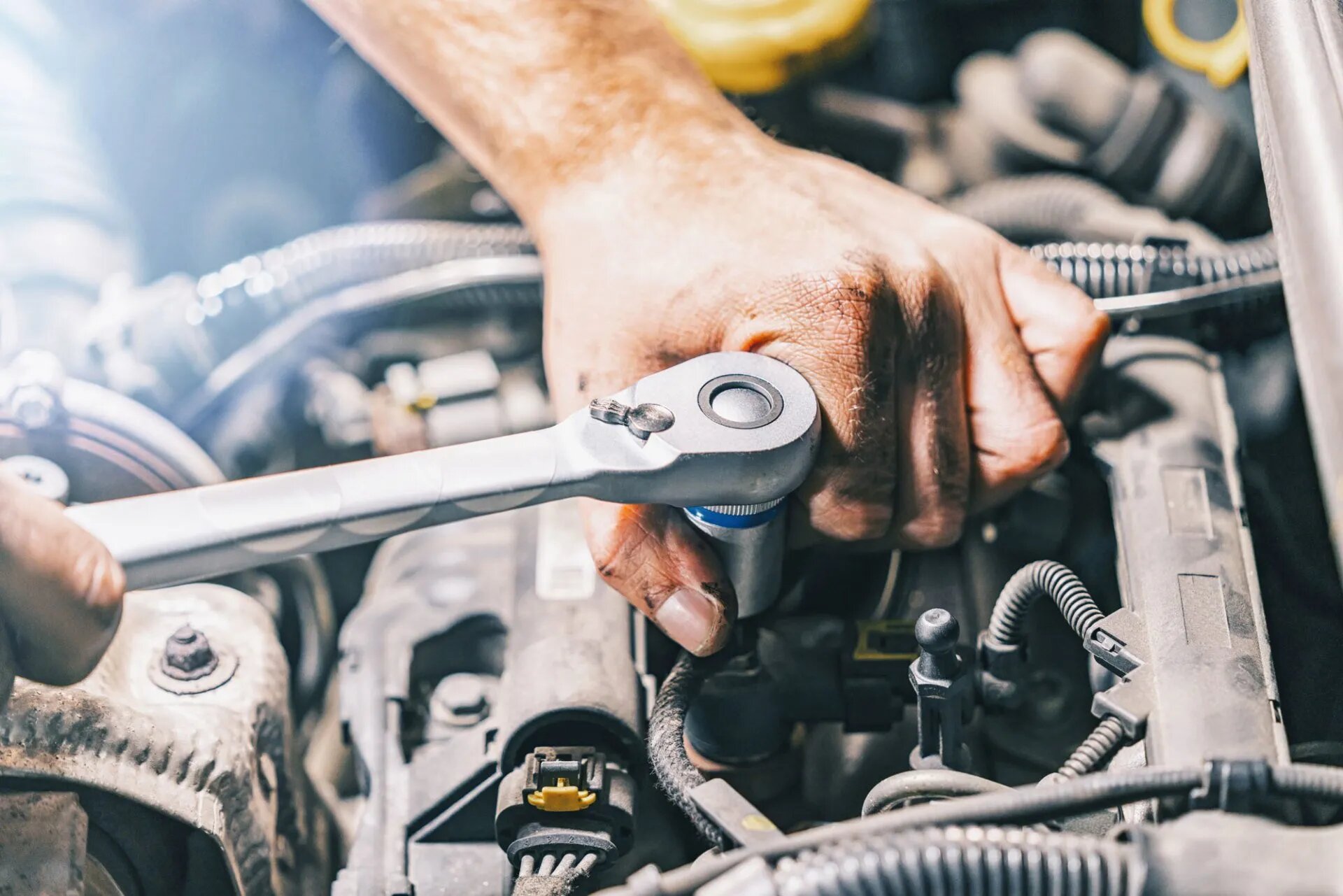
Check and Replace Air Filters
The air filter in your car plays a vital role in keeping dirt and debris out of your engine. A clean air filter ensures that your engine gets the proper amount of clean air, which is essential for optimal performance. Over time, air filters can become clogged with dust and other particles, reducing airflow and causing your engine to work harder. This can lead to decreased fuel efficiency and increased emissions. It's a good practice to check your air filter every 12,000 miles and replace it if it's dirty. A clean air filter can improve your car's acceleration and overall engine health.
Monitor Fluid Levels
Your car's engine relies on various fluids to operate smoothly, including coolant, transmission fluid, and brake fluid. Regularly checking and maintaining these fluid levels is essential for preventing engine overheating and other issues. Low fluid levels can cause significant damage to your engine components, leading to costly repairs. Make it a habit to check your fluid levels at least once a month and top them off as needed. If you notice any leaks or significant drops in fluid levels, it's crucial to have your car inspected by a professional mechanic to identify and fix the issue promptly.
Inspect Spark Plugs and Wires
Spark plugs are responsible for igniting the air-fuel mixture in your engine's cylinders, making them a critical component of your car's ignition system. Over time, spark plugs can become worn or fouled, leading to misfires, poor fuel economy, and reduced engine performance. It's essential to inspect your spark plugs and their wires regularly and replace them as needed. Most spark plugs need replacement every 30,000 miles, but this can vary depending on your vehicle and driving conditions. Keeping your spark plugs in good condition ensures smooth engine operation and helps maintain optimal fuel efficiency.
Keep an Eye on the Timing Belt
The timing belt is a crucial component that synchronizes the rotation of your engine's crankshaft and camshaft, ensuring that the engine's valves open and close at the right times. A worn or broken timing belt can cause severe engine damage, leading to costly repairs. It's essential to inspect your timing belt regularly and replace it according to your vehicle manufacturer's recommendations, typically every 60,000 to 100,000 miles. If you notice any signs of wear, such as cracks or fraying, it's crucial to replace the timing belt immediately. Regular maintenance of the timing belt can prevent catastrophic engine failure.
Pay Attention to Warning Lights
Modern vehicles are equipped with a variety of warning lights that alert you to potential issues with your engine and other systems. Ignoring these warning lights can lead to serious problems and costly repairs. If your check engine light or any other warning light comes on, it's essential to address the issue promptly. Use an OBD-II scanner to read the error codes or take your car to a professional mechanic for a diagnostic check. Addressing problems early can prevent minor issues from becoming major repairs and help maintain your engine's health and performance.