The Pros and Cons of Diesel Engines
Diesel engines offer superior fuel efficiency and longevity, but they also come with higher upfront costs and environmental concerns.
Efficiency and Fuel Economy
Diesel engines are renowned for their efficiency and fuel economy. These engines typically provide better mileage compared to their gasoline counterparts. The high compression ratio in diesel engines leads to more efficient fuel combustion, which translates to greater fuel efficiency. This is particularly beneficial for long-distance drivers or those who frequently travel on highways. However, it's important to consider that while diesel engines are more efficient, the cost of diesel fuel can sometimes be higher than gasoline, which might offset some of the savings on fuel economy. Additionally, advancements in gasoline engine technology are closing the efficiency gap, making the choice between diesel and gasoline more nuanced.
Durability and Longevity
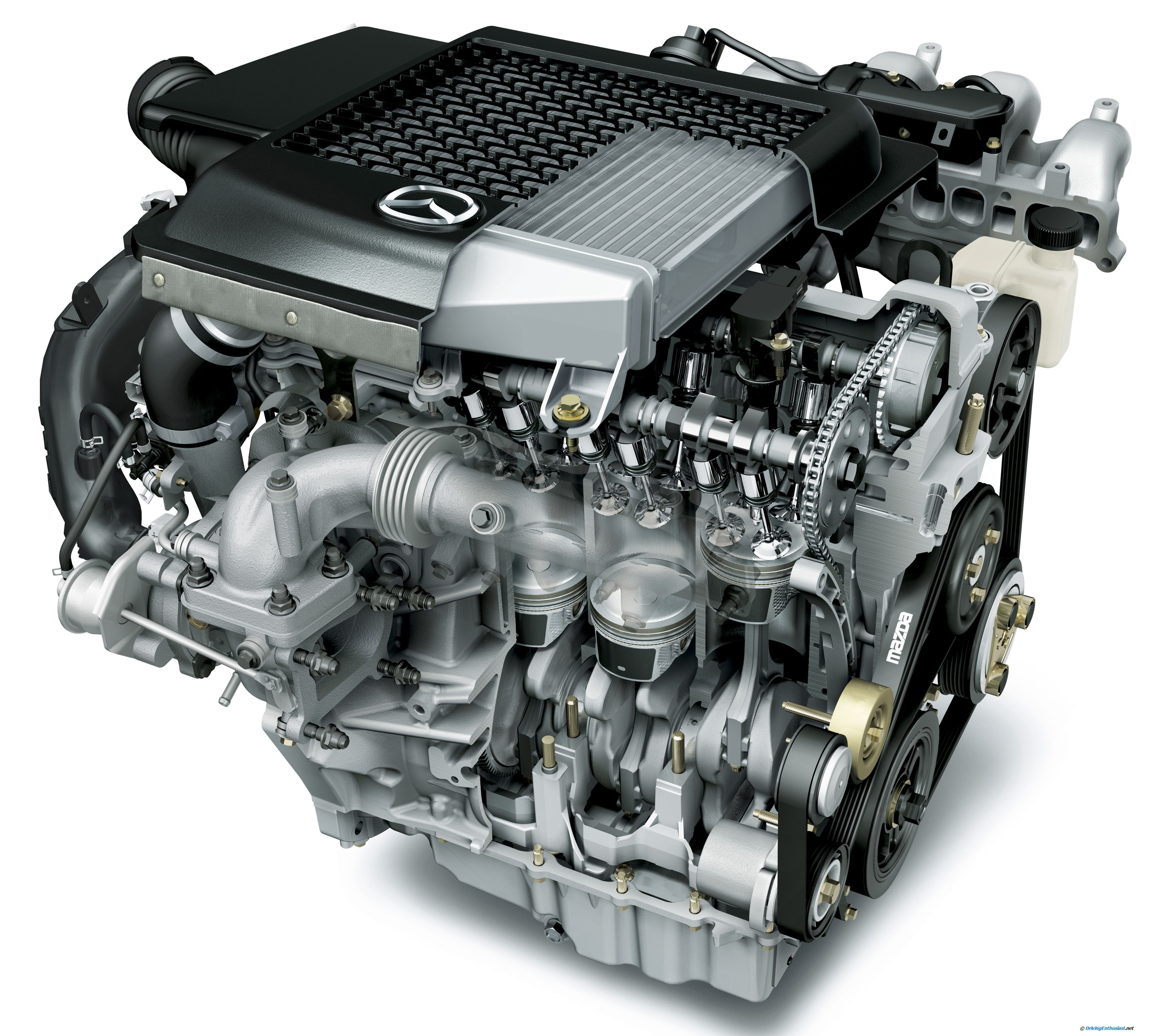
One of the significant advantages of diesel engines is their durability and longevity. Diesel engines are built to withstand higher levels of stress and pressure, which contributes to their longer lifespan. This makes them a preferred choice for commercial vehicles and heavy-duty applications. The robust construction of diesel engines means they can often run for hundreds of thousands of miles without requiring major repairs. However, this durability comes at a cost; diesel engines are typically more expensive to manufacture and purchase. Moreover, maintenance and repair can also be more costly due to the complexity and specialized components of diesel engines.
Torque and Power
Diesel engines are known for their high torque output, which is the twisting force that helps a vehicle move. This makes them particularly well-suited for towing and hauling heavy loads. The high torque at low RPMs (revolutions per minute) means that diesel engines can provide substantial power without needing to rev as high as gasoline engines. This characteristic is highly beneficial for trucks, buses, and other vehicles that need to carry heavy loads. However, this increased torque can also lead to increased wear and tear on the drivetrain and other components, potentially leading to higher maintenance costs over time.
Emissions and Environmental Impact
One of the major drawbacks of diesel engines is their emissions and environmental impact. Diesel engines produce higher levels of nitrogen oxides (NOx) and particulate matter compared to gasoline engines. These pollutants can contribute to air quality issues and have adverse health effects. Despite advancements in emissions control technologies, such as diesel particulate filters (DPFs) and selective catalytic reduction (SCR) systems, diesel engines still face challenges in meeting stringent environmental regulations. On the other hand, diesel engines produce less carbon dioxide (CO2) per mile than gasoline engines, which can be a positive factor in terms of greenhouse gas emissions.
Noise and Vibration
Diesel engines are often associated with higher levels of noise and vibration compared to gasoline engines. The combustion process in a diesel engine is inherently louder due to the high compression ratios and the nature of diesel fuel ignition. This can result in a noisier and less smooth driving experience, which might be a drawback for some users. Modern diesel engines have made significant strides in reducing noise and vibration through advanced engineering and sound-dampening technologies. However, they still generally lag behind gasoline engines in terms of overall smoothness and quietness.
Availability and Infrastructure
The availability and infrastructure for diesel fuel can vary significantly depending on the region. In some areas, diesel fuel is readily available and there is a well-established infrastructure for refueling. In other regions, diesel fuel may be less common, making it more challenging to find refueling stations. This can be a critical factor for drivers who travel long distances or operate in remote areas. Additionally, the availability of diesel vehicles themselves can vary, with fewer options in some markets compared to gasoline-powered vehicles. This can limit consumer choice and make it harder to find a diesel vehicle that meets specific needs and preferences.
Cost of Ownership
When considering the cost of ownership for diesel engines, it's essential to weigh both the initial purchase price and the ongoing expenses. Diesel engines typically have a higher upfront cost due to their more complex and robust construction. However, their superior fuel efficiency can lead to savings over time, particularly for high-mileage drivers. Maintenance and repair costs can be higher for diesel engines, but their durability can offset these expenses by reducing the frequency of major repairs. Additionally, diesel engines often have higher resale values, which can be an important factor when calculating the total cost of ownership.
Performance and Driving Experience
The performance and driving experience of diesel engines can be a mixed bag. On the one hand, the high torque output provides strong acceleration and excellent performance for towing and hauling. This can make diesel vehicles feel powerful and capable, particularly under heavy loads. On the other hand, the noise and vibration associated with diesel engines can detract from the overall driving experience. Additionally, diesel engines may not offer the same level of high-revving excitement that some drivers enjoy with gasoline engines. Ultimately, the choice between diesel and gasoline engines will depend on individual preferences and driving needs.