The Impact of Turbochargers on Vehicle Performance
Turbochargers significantly enhance vehicle performance by boosting engine power, improving fuel efficiency, and reducing emissions.
Introduction to Turbochargers
Turbochargers have revolutionized the automotive industry by significantly enhancing vehicle performance. By compressing the air entering the engine, turbochargers allow for more fuel to be burned, leading to increased power output. This process not only boosts horsepower but also improves overall engine efficiency. The impact of turbochargers extends beyond just performance; they also contribute to fuel economy and emissions reduction. Understanding the mechanics and benefits of turbochargers can provide valuable insights into why they are a popular choice for modern vehicles.
How Turbochargers Work
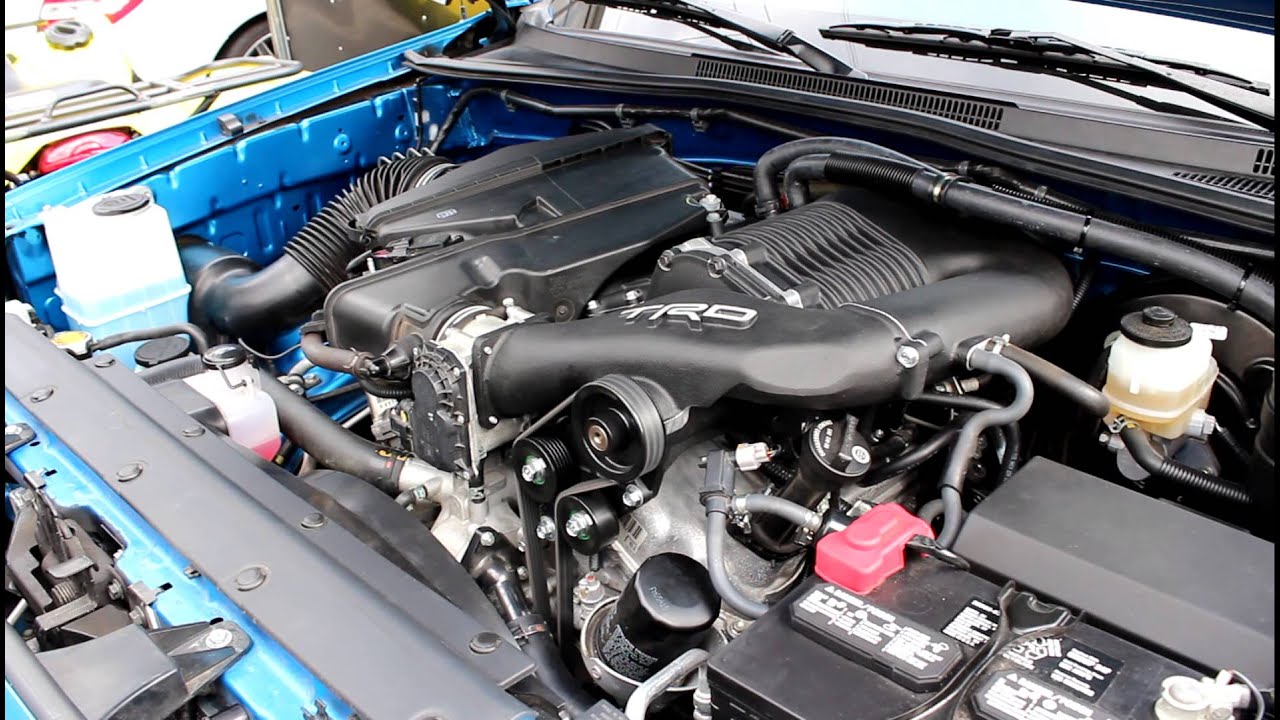
A turbocharger is essentially a turbine-driven, forced induction device that increases an engine's efficiency and power output by forcing extra air into the combustion chamber. The key components include the turbine, compressor, and intercooler. The turbine is driven by exhaust gases from the engine, which then powers the compressor to draw in and compress ambient air. This compressed air is then cooled by the intercooler before entering the engine. The result is a denser air charge, which allows for more fuel to be burned, thereby increasing power output.
Performance Gains
The primary advantage of turbochargers is the significant increase in engine power and performance. By forcing more air into the combustion chamber, turbochargers enable engines to produce more horsepower without increasing the engine's size. This means that smaller, more fuel-efficient engines can achieve the same performance levels as larger, naturally aspirated engines. The result is a more powerful and responsive vehicle that can deliver superior acceleration and top speeds, making turbocharged engines a favorite among performance enthusiasts.
Fuel Efficiency and Emissions
Turbochargers also contribute to improved fuel efficiency and reduced emissions. By allowing smaller engines to produce more power, turbochargers enable vehicles to achieve better fuel economy. This is because smaller engines generally consume less fuel than larger ones. Additionally, the increased efficiency of turbocharged engines means that they produce fewer emissions, helping to meet stringent environmental regulations. The combination of enhanced performance and improved fuel economy makes turbocharged engines an attractive option for both manufacturers and consumers.
Turbo Lag and Solutions
One of the common drawbacks of turbochargers is turbo lag, which is the delay between the driver pressing the accelerator and the turbocharger providing increased power. This occurs because the turbocharger relies on exhaust gases to spool up, which takes time. However, advancements in technology have led to various solutions to minimize turbo lag. These include the use of twin-scroll turbochargers, variable geometry turbochargers, and electric assist turbochargers. These innovations help to reduce lag and provide a more immediate power response, enhancing the driving experience.
Reliability and Maintenance
While turbochargers offer numerous benefits, they also require proper maintenance to ensure reliability. Turbocharged engines operate under higher pressures and temperatures, which can lead to increased wear and tear. Regular oil changes and using high-quality lubricants are essential to keep the turbocharger and engine components in good condition. Additionally, allowing the engine to idle for a short period before shutting it off can help prevent oil coking and extend the life of the turbocharger. Proper maintenance is crucial to enjoy the long-term benefits of turbocharged engines.
Applications in Different Vehicles
Turbochargers are not limited to performance cars; they are used in a wide range of vehicles, from everyday passenger cars to heavy-duty trucks and even motorcycles. In passenger cars, turbochargers provide a balance of performance and fuel efficiency, making them ideal for both city driving and long-distance travel. In commercial vehicles, turbochargers help improve towing capacity and overall performance, making them more efficient and powerful. The versatility of turbochargers makes them a valuable addition to various types of vehicles, enhancing their capabilities and efficiency.
Future Trends in Turbocharging
The future of turbocharging looks promising with continuous advancements in technology. Innovations such as electric turbochargers, which use electric motors to eliminate lag, and advancements in materials and manufacturing processes are set to further enhance the performance and efficiency of turbocharged engines. Additionally, the integration of turbochargers with hybrid and electric powertrains could lead to even more efficient and powerful vehicles. As the automotive industry continues to evolve, turbochargers will likely play a crucial role in shaping the future of vehicle performance.