The Benefits of Raised Bed Gardening
Discover the numerous benefits of raised bed gardening, from improved soil quality to easier maintenance and enhanced plant growth.
Introduction to Raised Bed Gardening
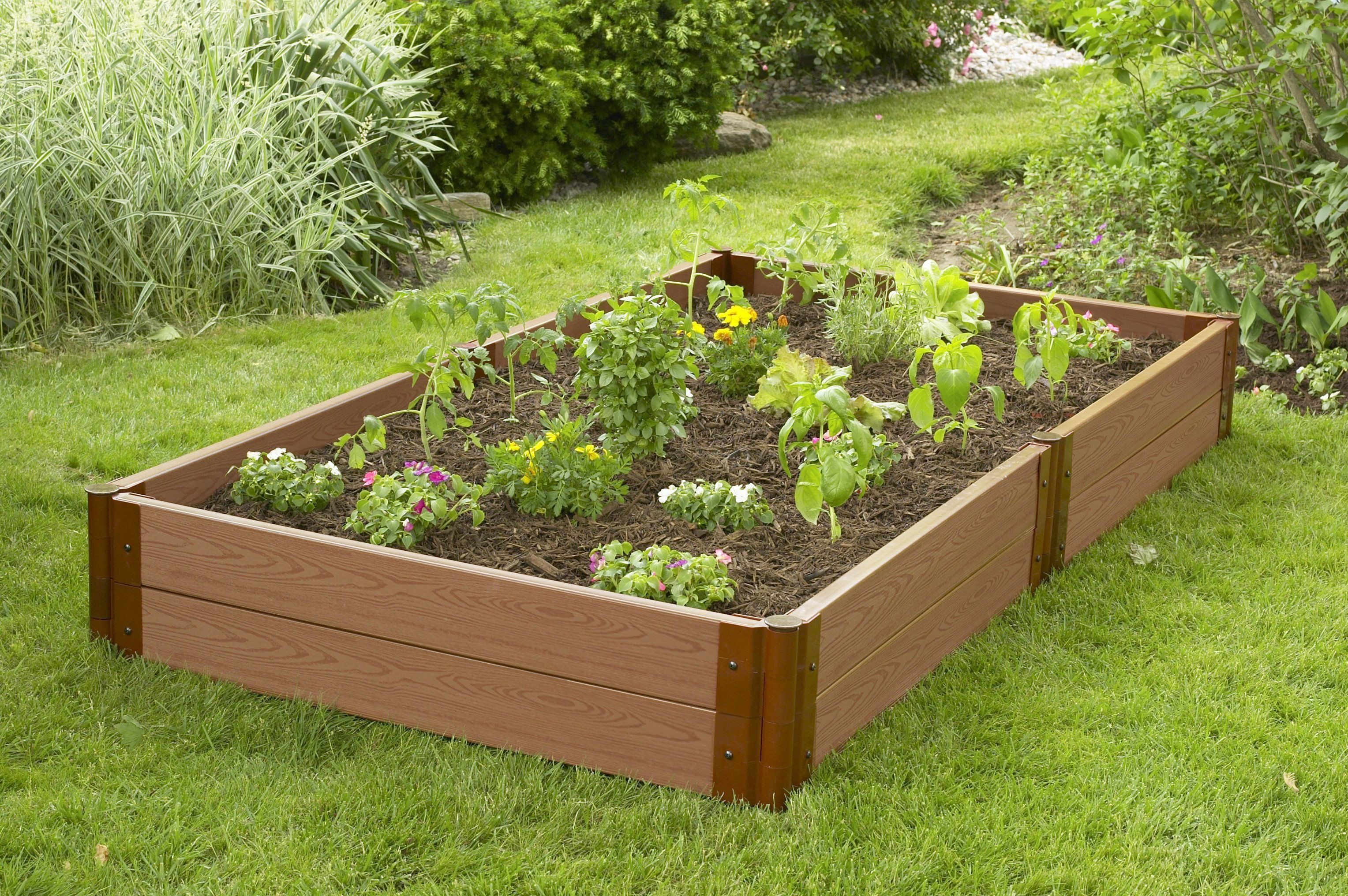
Raised bed gardening has become increasingly popular among gardening enthusiasts, and for good reason. This method involves growing plants in soil that is elevated above the ground, usually contained within a frame made of wood, stone, or other materials. Raised beds offer a variety of benefits that make them an attractive option for both novice and experienced gardeners. From improved soil quality to better pest control, raised bed gardening can transform your home garden into a thriving oasis. In this article, we will explore six key benefits of raised bed gardening to help you decide if this method is right for you.
Improved Soil Quality
One of the most significant advantages of raised bed gardening is the ability to control and enhance soil quality. Traditional in-ground gardens often suffer from compacted soil, poor drainage, and low fertility. With raised beds, you have the opportunity to create the perfect soil mix tailored to the needs of your plants. Loose, well-draining soil promotes healthier root systems and allows for better nutrient uptake. Additionally, raised beds are less prone to soil erosion, ensuring that your plants receive the nutrients they need to thrive. By investing in high-quality soil and amendments, you can create an optimal growing environment that leads to bountiful harvests.
Enhanced Drainage and Aeration
Proper drainage and aeration are crucial for plant health, and raised beds excel in both areas. The elevated design allows excess water to drain away more efficiently, preventing waterlogged roots and reducing the risk of root rot. Furthermore, the loose soil in raised beds promotes better air circulation around plant roots, which is essential for their growth and development. This improved aeration also encourages beneficial microbial activity, leading to healthier soil overall. Whether you live in an area with heavy rainfall or have naturally poor-draining soil, raised beds can help mitigate these issues and provide a more stable growing environment for your plants.
Easier Weed and Pest Control
Weeds and pests are the bane of any gardener's existence, but raised bed gardening can make managing these challenges more straightforward. The defined borders of a raised bed create a physical barrier that helps keep weeds at bay. Additionally, the elevated soil level makes it easier to spot and remove any weeds that do manage to sprout. Raised beds can also deter certain pests, such as ground-dwelling insects and small mammals, by making it more difficult for them to access your plants. For even greater protection, you can install row covers or netting over your raised beds to keep unwanted critters out. By reducing the prevalence of weeds and pests, raised bed gardening allows you to focus more on nurturing your plants and less on battling garden nuisances.
Accessibility and Ergonomics
Gardening can be physically demanding, but raised beds offer a more ergonomic solution that is accessible to a broader range of people. The elevated height of raised beds reduces the need for bending, kneeling, and stooping, making gardening more comfortable for individuals with mobility issues or chronic pain. You can customize the height of your raised beds to suit your needs, whether you prefer a low profile or a taller structure that allows for standing work. This increased accessibility makes it possible for more people to enjoy the therapeutic benefits of gardening, regardless of physical limitations. By incorporating raised beds into your garden design, you can create a more inclusive and enjoyable gardening experience for everyone.
Extended Growing Season
Raised bed gardening can also help extend your growing season, allowing you to enjoy fresh produce for a more extended period. The elevated soil warms up more quickly in the spring and retains heat longer in the fall, creating a more favorable environment for plant growth. This temperature advantage can give you a head start on planting and enable you to harvest crops later into the season. Additionally, raised beds can be easily adapted to accommodate season-extending techniques, such as using cold frames or hoop houses. By leveraging the benefits of raised bed gardening, you can maximize your garden's productivity and enjoy homegrown fruits and vegetables for a more extended portion of the year.
Versatility and Customization
Finally, raised bed gardening offers unparalleled versatility and customization options. You can design raised beds in various shapes, sizes, and materials to suit your garden's aesthetic and functional needs. Whether you have a small urban garden or a sprawling backyard, raised beds can be tailored to fit your space and gardening goals. Additionally, raised beds can be used to create themed gardens, such as herb gardens, pollinator gardens, or even vertical gardens. This flexibility allows you to experiment with different planting arrangements and techniques, making raised bed gardening a dynamic and creative endeavor. By embracing the versatility of raised beds, you can create a personalized and productive garden that reflects your unique vision and preferences.