The Benefits of Hybrid Cars: Are They Worth It?
Explore the environmental and economic benefits of hybrid cars and determine if they are a worthwhile investment for modern drivers.
Introduction to Hybrid Cars
Hybrid cars have become a popular choice among environmentally conscious drivers and those looking to save on fuel costs. By combining a traditional internal combustion engine with an electric motor, hybrid vehicles offer a unique blend of efficiency and performance. This dual power source allows for reduced emissions and better fuel economy, making hybrid cars an attractive option in the modern automotive market. But are they truly worth the investment? In this article, we'll explore the various benefits of hybrid cars to help you make an informed decision.
Fuel Efficiency
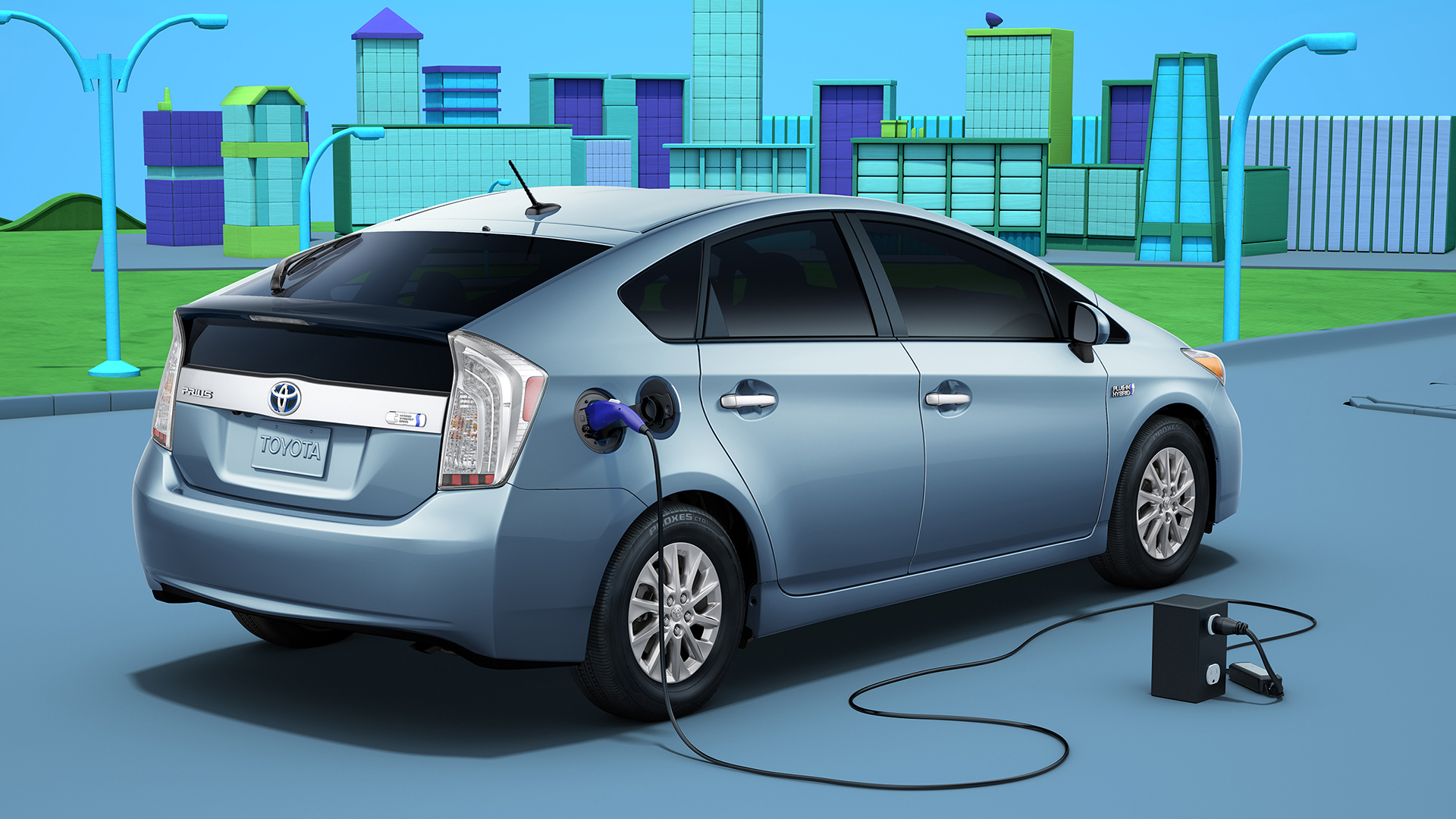
One of the most significant advantages of hybrid cars is their fuel efficiency. By utilizing both an electric motor and a gasoline engine, hybrids can achieve impressive miles per gallon (MPG) ratings. The electric motor assists the gasoline engine during acceleration and other high-demand situations, reducing the overall fuel consumption. Additionally, many hybrids feature regenerative braking systems that capture energy normally lost during braking and use it to recharge the battery. This combination of technologies allows hybrid vehicles to travel further on a single tank of gas, saving drivers money at the pump and reducing their carbon footprint.
Environmental Impact
Hybrid cars are known for their lower emissions, making them a more environmentally friendly option compared to traditional gasoline-powered vehicles. By relying partially on electric power, hybrids produce fewer greenhouse gases and pollutants. This reduction in emissions helps combat climate change and contributes to cleaner air quality. For eco-conscious consumers, driving a hybrid car is a tangible way to reduce their environmental impact. Additionally, some regions offer incentives such as tax breaks or access to carpool lanes for hybrid vehicle owners, further enhancing their appeal.
Performance and Driving Experience
Contrary to some misconceptions, hybrid cars can offer a satisfying driving experience. Modern hybrids are designed to provide smooth acceleration and responsive handling, thanks to the seamless integration of the electric motor and gasoline engine. The instant torque provided by the electric motor can result in quicker acceleration from a standstill, while the gasoline engine ensures consistent power delivery at higher speeds. Many hybrid models also come equipped with advanced features such as adaptive cruise control and lane-keeping assist, enhancing both safety and convenience for drivers.
Cost Considerations
While hybrid cars often come with a higher upfront cost compared to their gasoline-only counterparts, they can offer long-term savings. The improved fuel efficiency means lower spending on gas over the life of the vehicle. Additionally, maintenance costs for hybrids can be lower, as the electric motor reduces wear and tear on the engine and braking system. Some hybrids also qualify for government incentives or rebates, which can help offset the initial purchase price. When considering the total cost of ownership, many drivers find that the savings on fuel and maintenance make hybrids a financially sound choice.
Technological Advancements
Hybrid cars are at the forefront of automotive innovation, incorporating cutting-edge technology to enhance performance, efficiency, and safety. Features such as regenerative braking, start-stop systems, and advanced battery management are just a few examples of the technological advancements found in hybrids. These innovations not only improve the driving experience but also contribute to the overall sustainability of the vehicle. As technology continues to evolve, hybrid cars are likely to become even more efficient and capable, making them a smart choice for forward-thinking drivers.
Resale Value
Another important factor to consider is the resale value of hybrid cars. Due to their growing popularity and reputation for reliability, hybrids often retain their value better than traditional gasoline vehicles. Buyers in the used car market are increasingly looking for fuel-efficient and environmentally friendly options, making hybrids a desirable choice. This higher resale value can help offset the initial higher purchase price, providing additional financial benefits to hybrid car owners. Investing in a hybrid vehicle can be a wise decision not only for immediate savings but also for long-term financial gains.
Conclusion
In summary, hybrid cars offer a multitude of benefits that make them a compelling option for many drivers. Their fuel efficiency, lower environmental impact, and advanced technology provide both immediate and long-term advantages. While the initial cost may be higher, the savings on fuel and maintenance, along with potential incentives and higher resale value, often make hybrids a worthwhile investment. As the automotive industry continues to innovate, hybrid vehicles are likely to remain a popular and practical choice for those looking to balance performance, efficiency, and sustainability.