Motorcycle Safety: Essential Gear and Tips
Discover essential gear and safety tips to ensure a secure and enjoyable motorcycle riding experience.
Choosing the Right Helmet
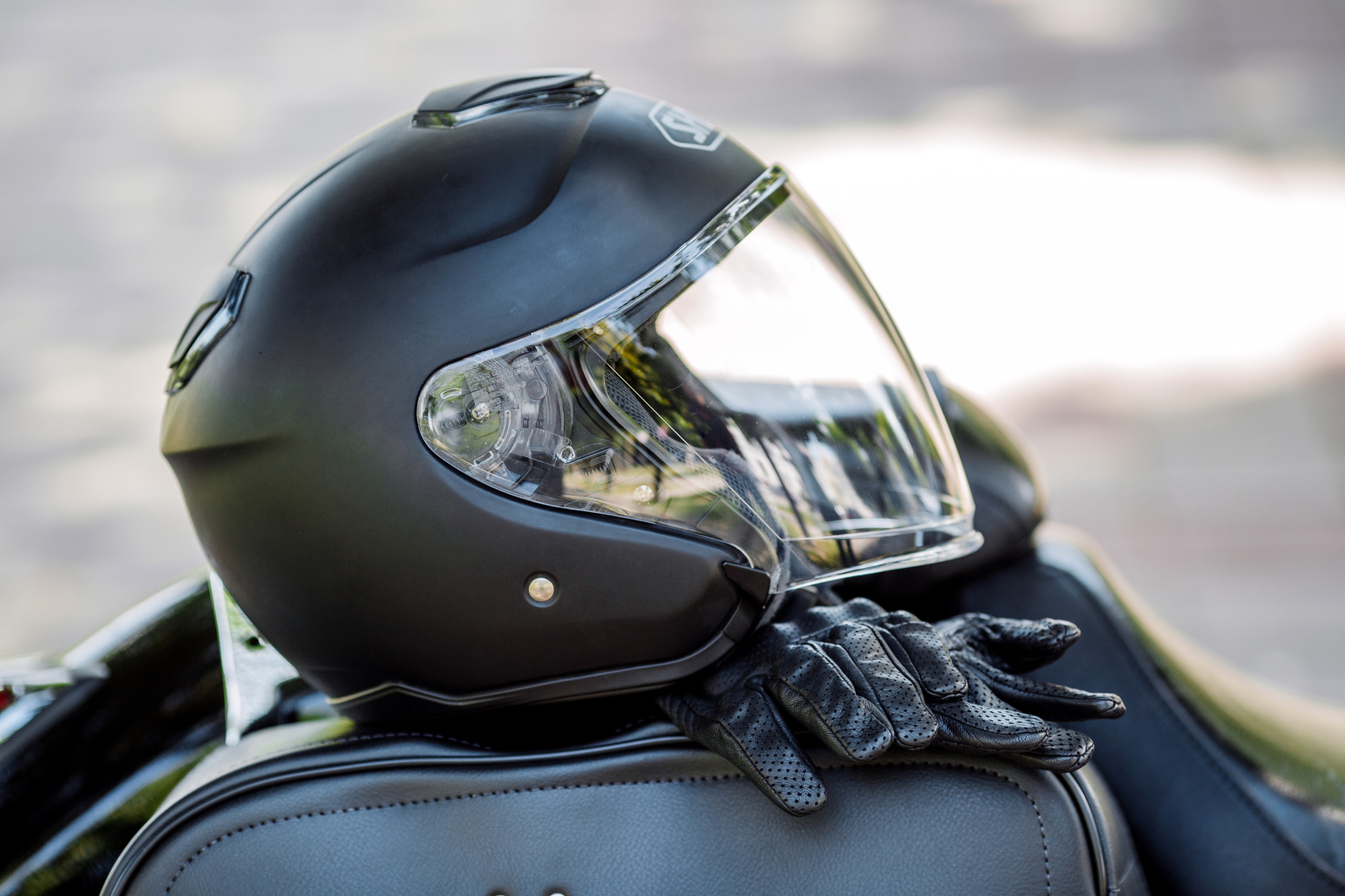
When it comes to motorcycle safety, the helmet is the most critical piece of gear. A quality helmet can mean the difference between life and death in an accident. Helmets should meet safety standards and fit snugly without being too tight. Full-face helmets provide the best protection, covering the entire head and face. Look for features like ventilation, removable liners, and anti-fog visors. While some riders prefer open-face helmets for comfort, these do not offer the same level of protection. Always replace a helmet after a significant impact, as its integrity may be compromised. Consider helmets with reflective materials to increase visibility during night rides. Comfort and safety should both be top priorities when selecting a helmet, as an uncomfortable helmet can be a distraction on the road.
Protective Clothing
Beyond the helmet, wearing the right protective clothing is essential for motorcycle safety. A durable jacket made of leather or reinforced textiles can protect against road rash and weather elements. Look for jackets with armor in the elbows, shoulders, and back. Similarly, riding pants with knee and hip protection are crucial. Denim jeans, while better than shorts, do not offer the same level of protection as purpose-built riding pants. Gloves are another must-have; they protect your hands from abrasions and impacts. Choose gloves with knuckle protection and reinforced palms. Boots that cover the ankles provide better support and protection than regular shoes. Opt for boots with non-slip soles and sturdy construction to safeguard your feet and ankles.
Eye and Ear Protection
Eye protection is often overlooked but is a critical component of motorcycle safety. Goggles or visors shield your eyes from wind, dust, insects, and debris. Even if your helmet has a visor, having an additional pair of goggles can be beneficial. Clear visors are best for night rides, while tinted ones can reduce glare during the day. Ear protection is also essential, especially on long rides. Wind noise can cause hearing loss over time, so consider using earplugs or helmets with built-in noise reduction features. While earplugs may dull some sounds, they can help you focus better by reducing wind noise. Always ensure your eye and ear protection gear is in good condition and replace it if it shows signs of wear.
Visibility and Lighting
Being visible to other road users is crucial for motorcycle safety. Wearing bright-colored or reflective clothing can significantly enhance your visibility. Reflective vests, strips, and decals on your bike can make you more noticeable, especially during low-light conditions. Auxiliary lights and reflective tape on your motorcycle can also improve visibility. Ensure your headlights, taillights, and turn signals are functioning correctly before every ride. Consider upgrading to LED lights for better brightness and longevity. Use your high beams during the day to increase visibility, but be mindful not to blind other drivers at night. Remember, the more visible you are, the less likely you are to be involved in an accident.
Riding Techniques
Safe riding techniques are fundamental to motorcycle safety. Always maintain a safe following distance to give yourself ample time to react to sudden stops or obstacles. Use both brakes simultaneously for controlled stops, and practice emergency braking in a safe environment. Cornering requires special attention; enter curves at a safe speed and lean with your bike. Be cautious of road conditions, such as wet or gravel surfaces, which can affect your traction. Use your mirrors frequently and be aware of your surroundings. Defensive riding involves anticipating the actions of other road users and being prepared for unexpected events. Never assume that other drivers see you; always ride as if you are invisible.
Regular Maintenance
Keeping your motorcycle in top condition is vital for safety. Regular maintenance checks can prevent mechanical failures that could lead to accidents. Check your tires for proper inflation and tread wear; replace them if they are worn out. Inspect your brakes, lights, and fluid levels before every ride. Ensure your chain or belt is properly tensioned and lubricated. Regularly check your oil levels and change the oil as recommended by the manufacturer. Pay attention to any unusual sounds or vibrations, as these can indicate underlying issues. A well-maintained motorcycle is not only safer but also more enjoyable to ride. Keeping a maintenance log can help you stay on top of necessary repairs and replacements.
Mental and Physical Preparedness
Lastly, being mentally and physically prepared is crucial for motorcycle safety. Riding a motorcycle requires full concentration and quick reflexes. Never ride when you are fatigued, under the influence of alcohol or drugs, or emotionally distressed. Stay hydrated and take regular breaks during long rides to avoid fatigue. Keep your mind sharp by practicing situational awareness and staying focused on the road. Physical fitness also plays a role; stronger muscles can help you handle your bike better. Consider taking a motorcycle safety course to enhance your skills and knowledge. These courses often cover advanced riding techniques and emergency maneuvers. Remember, your safety depends not just on your gear and bike but also on your mental and physical state.