Modern Kitchen Design Ideas for Every Home
Discover innovative and stylish modern kitchen design ideas to transform your home into a culinary haven.
Open Concept Layouts
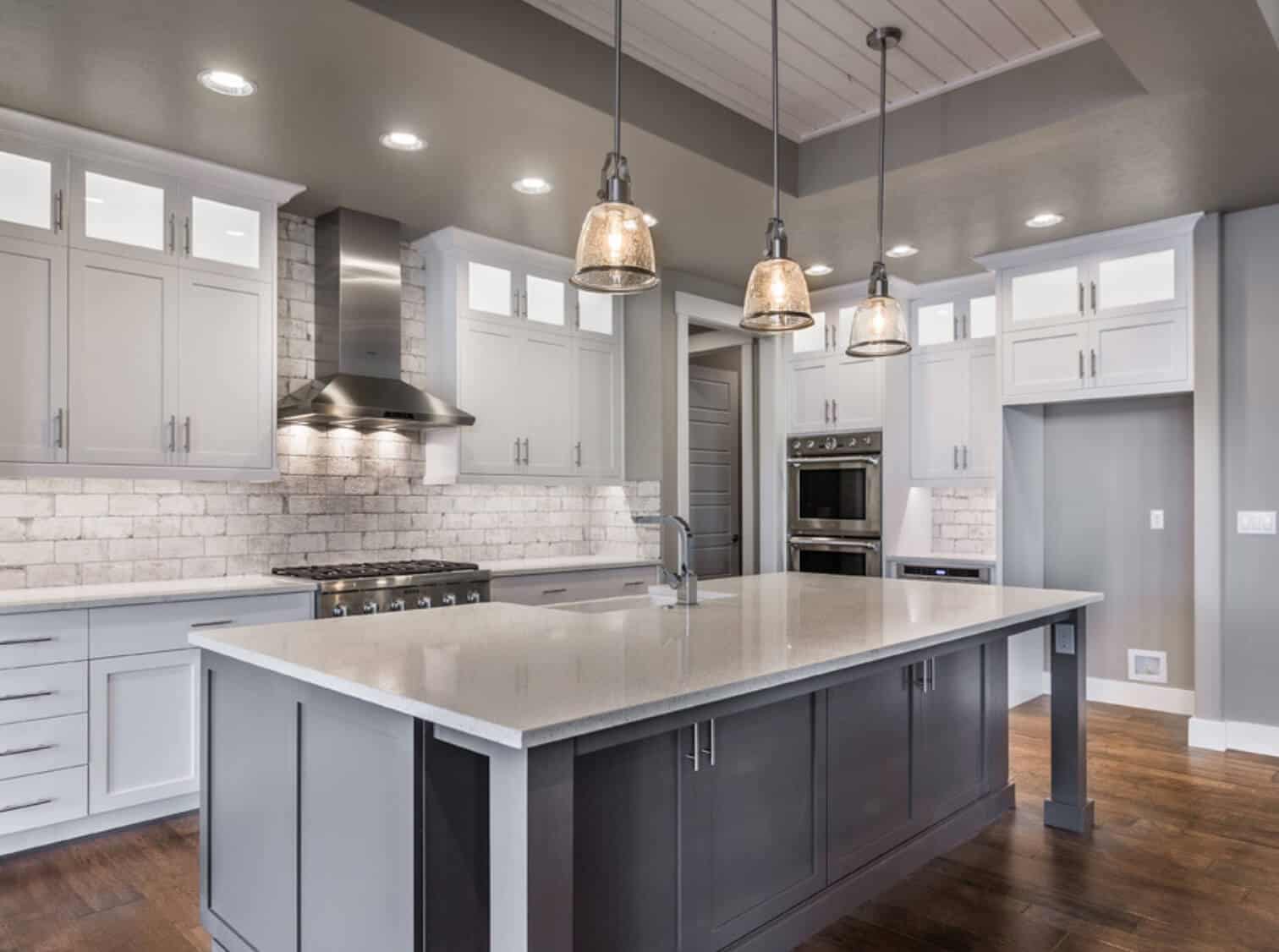
The trend of open concept kitchens has revolutionized modern home design. By removing walls that separate the kitchen from the living or dining areas, homeowners can create a more spacious and inclusive environment. This layout not only maximizes space but also encourages social interactions, making it perfect for families and those who love to entertain. Incorporating a large island or breakfast bar can further enhance this design, providing additional seating and a focal point for gatherings. To maintain a cohesive look, use consistent materials and color schemes throughout the connected spaces. This seamless transition creates a sense of unity and flow, making the entire area feel larger and more inviting.
Minimalist Aesthetics
Embracing minimalist design in the kitchen can lead to a clean, uncluttered, and highly functional space. This style focuses on simplicity, with an emphasis on sleek lines, neutral color palettes, and high-quality materials. Cabinetry with flat-panel doors, integrated appliances, and hidden storage solutions are key elements of this design. By reducing visual clutter, a minimalist kitchen can appear more spacious and serene. Additionally, this approach often includes the use of natural materials such as wood and stone, which add warmth and texture to the space. The result is a timeless and elegant kitchen that feels both modern and inviting.
Smart Technology Integration
The incorporation of smart technology into kitchen design is becoming increasingly popular. From smart refrigerators that can create shopping lists to ovens that can be controlled via smartphone apps, technology is making kitchens more convenient and efficient. Voice-activated assistants can help with tasks such as setting timers, finding recipes, or controlling lighting and temperature. Integrating these technologies seamlessly into the design can enhance the functionality of the kitchen without compromising its aesthetic appeal. For example, hidden charging stations and built-in speakers can keep countertops clear and maintain a clean look. As technology continues to advance, the possibilities for smart kitchens are virtually limitless.
Sustainable and Eco-Friendly Choices
Modern kitchen design is also leaning towards sustainability and eco-friendliness. Homeowners are increasingly opting for energy-efficient appliances, sustainable materials, and eco-friendly practices. Using recycled or reclaimed materials for countertops and cabinetry can reduce environmental impact while adding unique character to the space. Energy-efficient lighting, such as LED fixtures, not only conserves energy but also offers a variety of design options. Water-saving faucets and appliances contribute to a more sustainable kitchen. By making these conscious choices, homeowners can create a beautiful and functional kitchen that also supports a healthier planet.
Bold Colors and Patterns
While neutral tones are a staple of modern design, bold colors and patterns are making a strong comeback in kitchen aesthetics. Adding a pop of color through cabinetry, backsplashes, or even appliances can inject personality and vibrancy into the space. Patterns, whether in tiles, wallpaper, or textiles, can add visual interest and depth. The key is to balance these elements with more subdued tones to avoid overwhelming the space. For example, a brightly colored island can become a stunning focal point when paired with neutral countertops and cabinetry. This approach allows homeowners to express their unique style while maintaining a modern and cohesive look.
Multifunctional Spaces
As homes evolve to meet the demands of modern life, multifunctional kitchen spaces are becoming essential. Kitchens are no longer just for cooking; they serve as dining areas, home offices, and even homework stations for children. Designing a kitchen that accommodates these various functions requires careful planning. Incorporating flexible furniture, such as extendable tables or movable islands, can help adapt the space to different needs. Creating designated zones for different activities, such as a coffee bar or a workspace, can also enhance functionality. By designing a versatile kitchen, homeowners can ensure that the space remains practical and efficient, no matter how their needs change over time.