How to Read Food Labels: What You Need to Know
Learn the essentials of reading food labels to make healthier choices. Understand key terms, nutritional facts, and ingredients for better shopping.
Understanding Serving Sizes
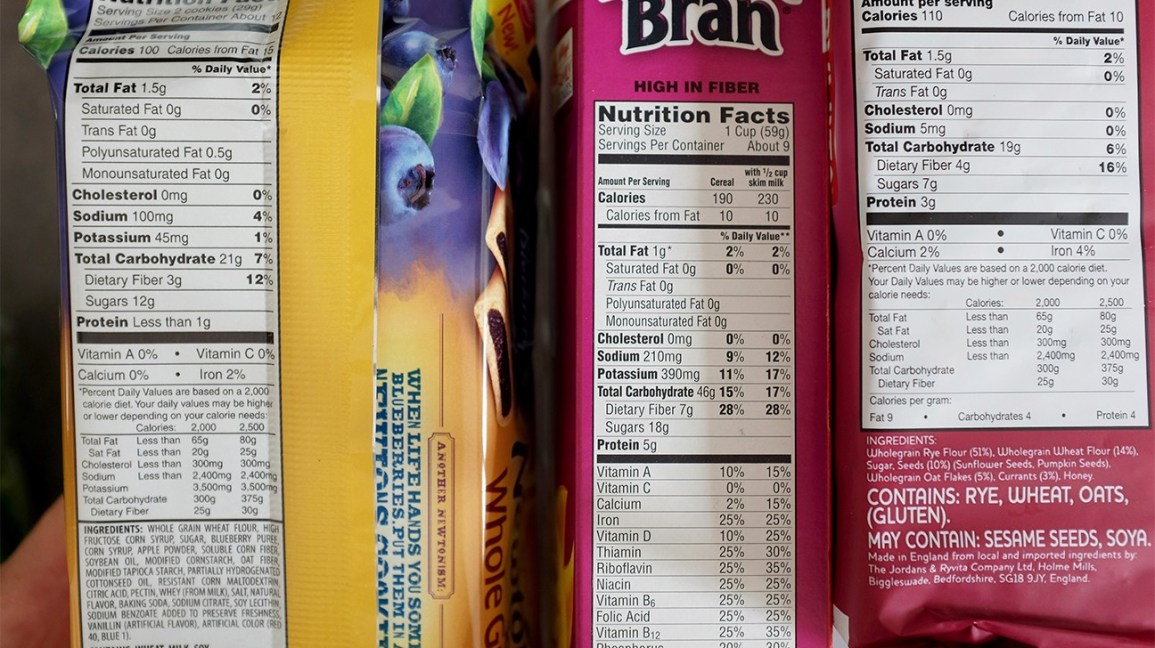
When you first glance at a food label, the serving size is the most crucial piece of information to consider. It tells you the amount of food the nutritional information is based on. Often, people mistakenly consume more than the serving size, which can lead to an unintended increase in calorie and nutrient intake. For example, a serving size might be listed as one cup, but if you consume two cups, you need to double all the nutritional values listed. Always compare the serving size to how much you actually eat to get an accurate understanding of your intake.
Calories and Their Impact
Calories indicate the amount of energy you get from a serving of food. Keeping track of calorie intake is essential for maintaining a healthy weight. It's important to balance the calories you consume with the calories you burn through daily activities and exercise. The food label shows the total number of calories per serving, but remember, if you eat more than the serving size, you need to account for those extra calories. This helps in managing weight and ensuring you are not consuming too many or too few calories.
Understanding Macronutrients
Macronutrients include carbohydrates, proteins, and fats. Each of these plays a vital role in your diet. Carbohydrates are your body's main source of energy, proteins are crucial for muscle repair and growth, and fats are essential for various bodily functions. The food label breaks down these macronutrients, showing how much of each is in a serving. Pay attention to the types of fats listed, such as saturated and trans fats, as these can impact heart health. Balancing these macronutrients according to your dietary needs is key to a healthy diet.
The Importance of Fiber
Dietary fiber is an important part of a healthy diet, aiding in digestion and helping to maintain a feeling of fullness. Food labels list the amount of fiber per serving, and it's recommended to consume a sufficient amount daily. High-fiber foods include fruits, vegetables, whole grains, and legumes. Checking the fiber content on food labels can help you make better choices, especially if you are looking to improve digestive health or manage weight. Aim for foods with higher fiber content to support overall health.
Sugars and Added Sugars
Sugars are listed on the food label, including both natural sugars and added sugars. Natural sugars are found in foods like fruits and milk, while added sugars are included during processing or preparation. High intake of added sugars can lead to various health issues, including weight gain and increased risk of heart disease. The food label helps you identify how much sugar is in a serving and if any sugars are added. Opt for foods with lower added sugar content to maintain a healthier diet.
Vitamins and Minerals
Food labels also provide information on vitamins and minerals. These micronutrients are essential for various bodily functions, including immune support, bone health, and energy production. Commonly listed vitamins and minerals include Vitamin A, Vitamin C, calcium, and iron. The label shows the percentage of the daily value (%DV) for each nutrient, helping you understand how a serving contributes to your daily nutritional needs. Ensuring you get enough of these nutrients is important for overall health and well-being.
Ingredient List Insights
The ingredient list on a food label provides a detailed look at what's in the food. Ingredients are listed in order of quantity, from highest to lowest. This means the first few ingredients make up the majority of the product. Checking the ingredient list can help you avoid unwanted additives, allergens, or unhealthy ingredients like high fructose corn syrup or hydrogenated oils. Understanding the ingredient list helps you make more informed choices about what you are eating, ensuring you opt for foods with wholesome and recognizable ingredients.