How to Meal Plan Like a Pro: Tips and Tricks
Master the art of meal planning with these expert tips and tricks. Save time, money, and eat healthier by planning your meals like a pro!
Understanding the Basics of Meal Planning
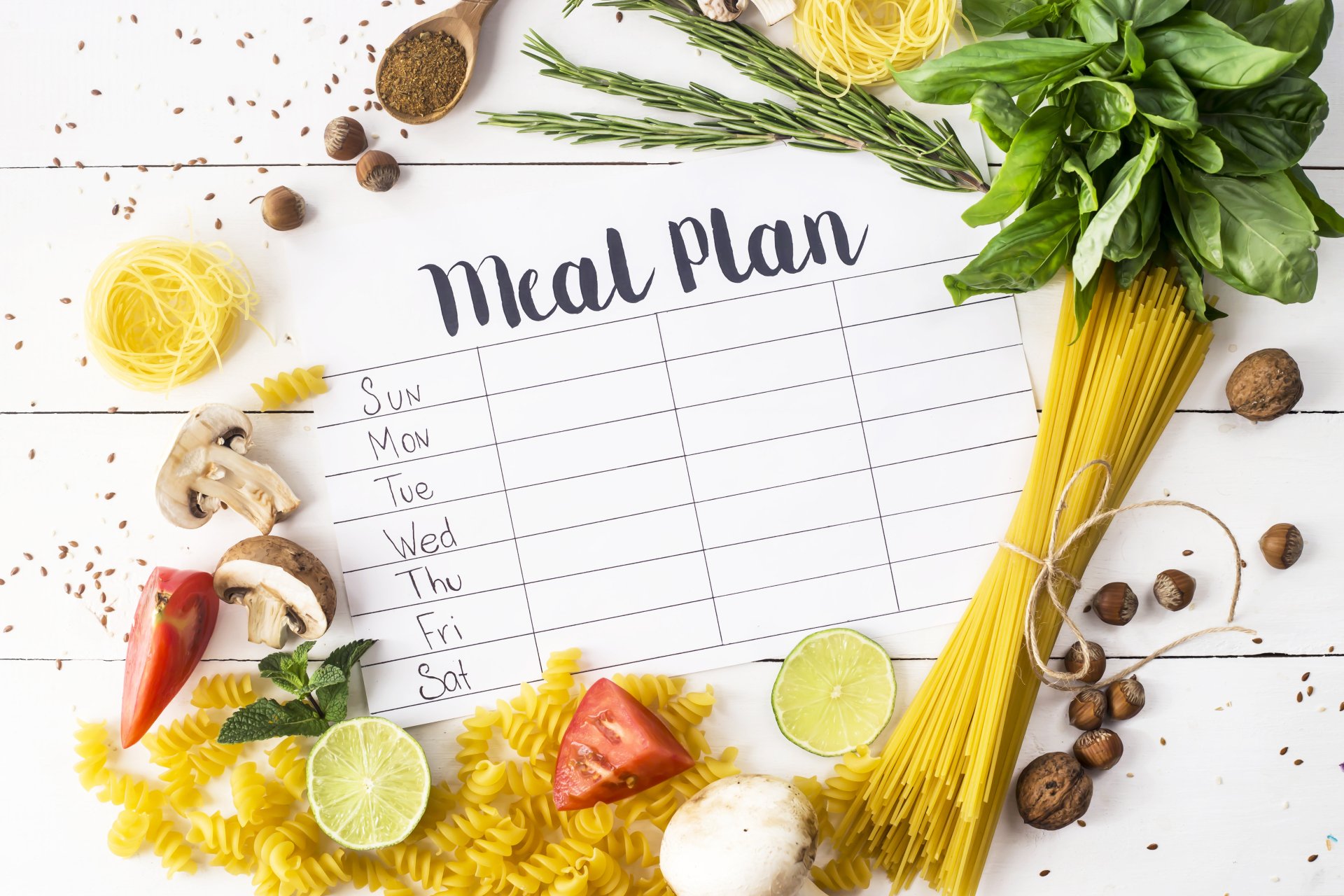
Meal planning is more than just deciding what to eat each day; it's about creating a strategic plan that saves you time, money, and stress. Start by assessing your weekly schedule and identifying days when you'll have more or less time to cook. Consider dietary preferences and restrictions, and make sure to include a variety of foods to keep meals interesting. Use a meal planning template or app to organize your thoughts and create a visual guide. The key to successful meal planning is being realistic about your time and energy levels, so plan simple meals for busier days and more complex recipes when you have extra time.
Stocking Your Pantry and Fridge
A well-stocked pantry and fridge are essential for effective meal planning. Keep a supply of staple ingredients such as grains, canned goods, spices, and oils. Fresh produce, proteins, and dairy should also be readily available. Organize your pantry and fridge to easily see what you have on hand, reducing food waste and making it easier to plan meals around what you already own. Regularly check expiration dates and rotate older items to the front. This not only ensures freshness but also helps you avoid the last-minute grocery runs that can derail your meal plan.
Creating a Weekly Menu
Once your pantry and fridge are stocked, it's time to create a weekly menu. Start by planning dinners first, as they are typically the most complex meal of the day. Choose recipes that share common ingredients to minimize waste and simplify preparation. Incorporate themes like Meatless Monday or Taco Tuesday to make planning more fun and structured. Don't forget to include breakfast, lunch, and snacks in your plan. Use leftovers creatively to save time and reduce food waste. A well-thought-out menu not only saves you time but also helps you stick to a healthier diet.
Grocery Shopping Like a Pro
With your menu in hand, create a detailed grocery list organized by store sections. This makes shopping more efficient and ensures you don't forget any crucial ingredients. Stick to your list to avoid impulse buys that can blow your budget and derail your meal plan. Consider shopping in bulk for non-perishable items to save money. Be mindful of sales and discounts, but only buy what you know you'll use. Shopping strategically not only saves you money but also reduces the frequency of grocery trips, making meal planning more manageable.
Meal Prep Strategies
Meal prepping is a game-changer for sticking to your meal plan. Set aside a few hours each week to prep ingredients like chopping vegetables, marinating proteins, and cooking grains. Store prepped items in clear containers for easy access. Batch cooking entire meals or components like sauces and dressings can save you even more time during the week. Label everything with dates to keep track of freshness. Not only does meal prepping streamline your cooking process, but it also makes it easier to maintain a healthy diet, as nutritious options are always at your fingertips.
Adapting and Adjusting
Flexibility is key to successful meal planning. Life is unpredictable, and sometimes your plan will need to change. Keep a few quick and easy recipes on hand for those days when things don't go as planned. It's also helpful to have a backup stash of frozen meals or pantry staples for emergencies. Don't be afraid to swap meals around within the week or adjust portion sizes based on your hunger levels. The goal is to make meal planning work for you, not to create additional stress. Adaptability ensures you stay on track even when things don't go perfectly.
Evaluating and Improving Your Plan
At the end of each week, take a moment to evaluate your meal plan. What worked well? What didn't? Were there any recipes you particularly enjoyed or found too time-consuming? Use this feedback to adjust your plan for the following week. Over time, you'll become more efficient and intuitive with your meal planning. Keep a collection of favorite recipes and meal ideas to streamline the process. Continuous improvement is key to mastering meal planning, ensuring it remains a sustainable and enjoyable part of your routine.