Essential Car Maintenance Tips for Longevity
Ensure your car's longevity with these essential maintenance tips, covering routine checks, fluid changes, and tire care.
Regular Oil Changes
One of the most crucial aspects of car maintenance is performing regular oil changes. Engine oil lubricates the moving parts, reduces friction, and helps to dissipate heat. Over time, oil can become contaminated with dirt and debris, reducing its effectiveness. Most manufacturers recommend changing the oil every 3,000 to 5,000 miles, but always refer to your vehicle's owner manual for specific guidelines. Neglecting oil changes can lead to engine wear and tear, ultimately reducing the lifespan of your car. Regular oil changes ensure that your engine runs smoothly and efficiently, preventing costly repairs down the line.
Tire Maintenance
Proper tire maintenance is essential for safety and longevity. Check your tire pressure at least once a month and before long trips. Under-inflated tires can lead to poor fuel efficiency, uneven tire wear, and even blowouts. Rotate your tires every 6,000 to 8,000 miles to ensure even wear and extend their lifespan. Additionally, inspect your tires for any signs of damage or excessive wear. Replacing worn-out tires promptly can prevent accidents and improve your vehicle's handling and performance. Remember, well-maintained tires contribute to better fuel economy and a smoother ride.
Brake System Checks
Your vehicle's brake system is vital for safety. Regularly inspect your brakes for any signs of wear, such as squeaking or grinding noises. Brake pads typically need to be replaced every 20,000 to 50,000 miles, but this can vary based on driving habits and conditions. Don't forget to check the brake fluid level and top it up if necessary. Low brake fluid can indicate a leak in the system, which should be addressed immediately. Keeping your brakes in good condition ensures that you can stop safely and avoid accidents, contributing to the longevity of your vehicle.
Battery Maintenance
A well-maintained car battery is crucial for reliable vehicle performance. Check the battery terminals for any signs of corrosion and clean them if necessary. Ensure that the battery is securely mounted and that the connections are tight. Most car batteries last between three to five years, but regular checks can help you avoid unexpected breakdowns. If you notice that your car is slow to start or if the battery warning light comes on, it may be time for a replacement. Regular battery maintenance can prevent inconvenient and costly issues, ensuring your car runs smoothly.
Fluid Levels
Maintaining the correct fluid levels in your vehicle is essential for its longevity. Regularly check the levels of engine oil, coolant, brake fluid, transmission fluid, and power steering fluid. Low or contaminated fluids can lead to serious engine damage and costly repairs. Refer to your vehicle's owner manual for the correct fluid types and levels. Topping up fluids as needed and flushing them according to the manufacturer's schedule will keep your car running efficiently. Proper fluid maintenance ensures that all the moving parts are well-lubricated and functioning optimally.
Air Filter Replacement
Regular air filter replacement is a simple yet effective way to maintain your car's performance. The air filter prevents dirt, dust, and debris from entering the engine, ensuring clean air for combustion. A clogged air filter can reduce fuel efficiency, decrease engine performance, and increase emissions. Most manufacturers recommend replacing the air filter every 12,000 to 15,000 miles, but this can vary based on driving conditions. Regularly inspecting and replacing the air filter ensures that your engine breathes clean air, contributing to better performance and longevity.
Alignment and Suspension
Proper alignment and suspension maintenance is crucial for a smooth and safe ride. Misaligned wheels can cause uneven tire wear, poor handling, and reduced fuel efficiency. If you notice your car pulling to one side or if the steering wheel vibrates, it may be time for an alignment check. Additionally, inspect your suspension system for any signs of wear or damage, such as leaking shocks or struts. Maintaining proper alignment and suspension ensures that your vehicle handles well and provides a comfortable ride, extending the life of your tires and other components.
Regular Inspections
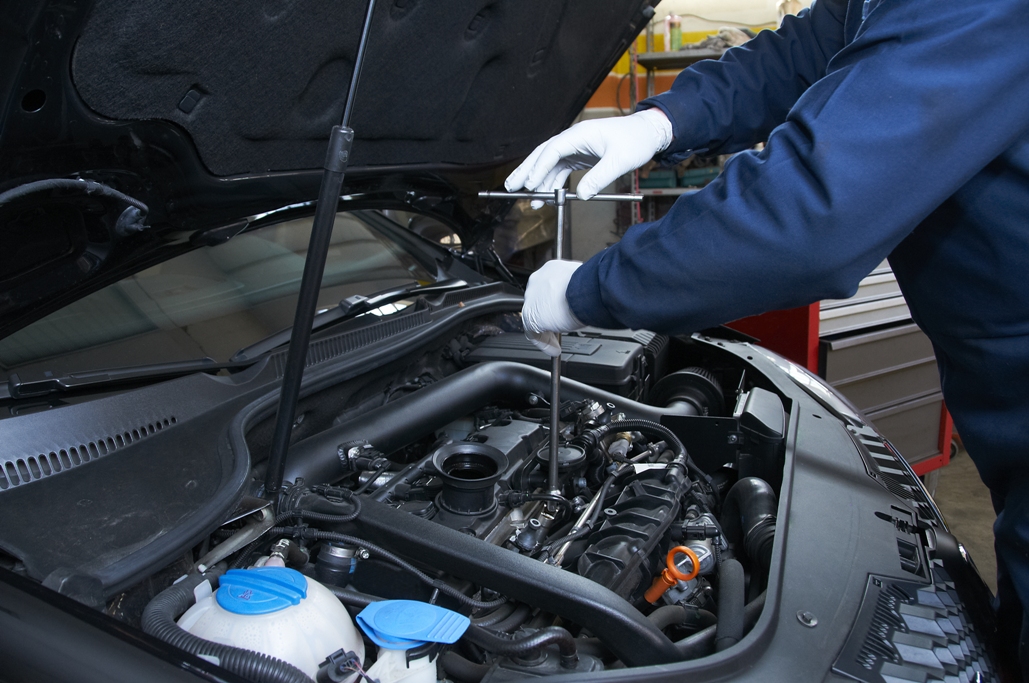
Performing regular inspections is key to identifying potential issues before they become major problems. Schedule routine check-ups with a trusted mechanic to ensure that all systems are functioning correctly. Regular inspections can catch minor issues such as worn belts, leaky hoses, or failing components, allowing for timely repairs. Keeping a maintenance log can help you track services and identify patterns or recurring issues. Regular inspections not only ensure the safety and reliability of your vehicle but also contribute to its longevity by preventing small problems from escalating into costly repairs.