10 Healthy Grocery Shopping Tips for Busy Families
Discover 10 practical tips to make healthy grocery shopping easier for busy families, ensuring nutritious meals without the stress.
Prioritize Planning
One of the best ways to streamline grocery shopping for busy families is to plan meals ahead of time. By taking a few minutes each week to outline your meals, you can create a comprehensive shopping list that ensures you only buy what you need. This approach minimizes the chances of impulse buying and helps you stick to a healthier diet. Planning also allows you to incorporate a variety of foods, ensuring that your family gets a balanced intake of nutrients. Moreover, it saves time during the week, as you won't be scrambling to figure out what's for dinner each night. Consider using a meal planning app or a simple calendar to keep track of your meals and grocery list.
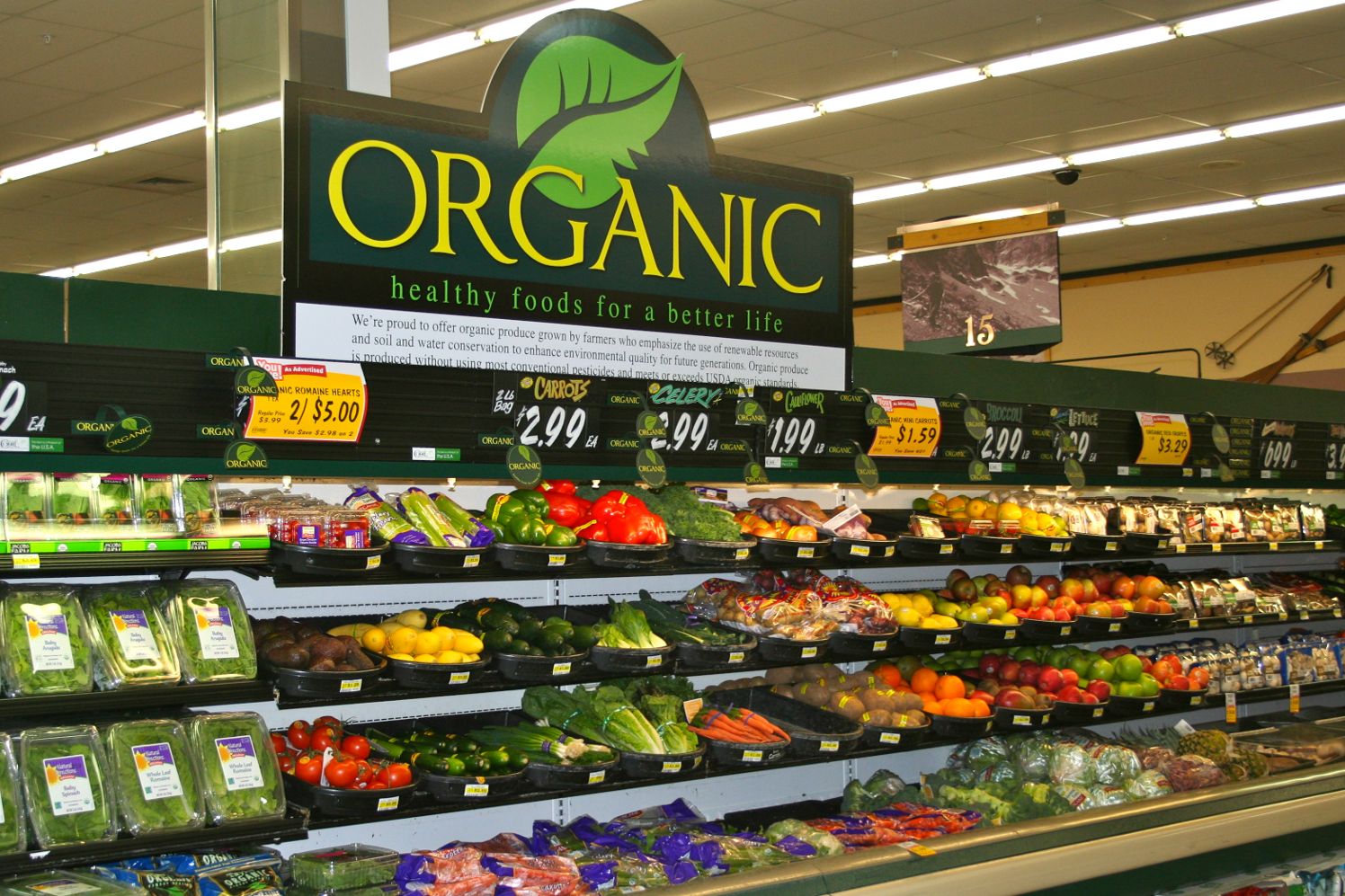
Make a List and Stick to It
Creating a grocery list is crucial for efficient shopping. Write down everything you need based on your meal plan and check your pantry for items you already have. This practice helps in avoiding duplicate purchases and ensures that you don't forget essential items. Stick to your list while shopping to resist the temptation of unhealthy snacks and unnecessary products. A well-organized list, perhaps categorized by sections of the store, can make your shopping trip quicker and more focused. This method not only saves time but also helps in maintaining a budget, as you are less likely to buy items on a whim.
Shop the Perimeter
Most grocery stores are designed in a way that the healthiest options are placed around the perimeter. Fresh produce, dairy, and meats are usually found along the outer edges of the store, while processed and packaged foods are located in the inner aisles. By focusing your shopping on the perimeter, you are more likely to fill your cart with nutritious, whole foods. These items are generally less processed and contain fewer additives and preservatives. While it might be necessary to venture into the inner aisles for specific items like whole grains or spices, keeping the majority of your shopping to the perimeter can significantly improve the nutritional quality of your family's diet.
Opt for Whole Foods
Whenever possible, choose whole foods over processed options. Whole foods like fruits, vegetables, whole grains, and lean proteins are packed with essential nutrients and are free from added sugars, unhealthy fats, and artificial ingredients. Processed foods often contain high levels of sodium and preservatives that can be detrimental to health. Whole foods also tend to be more filling, which can help in controlling portion sizes and reducing the urge to snack on unhealthy items. Incorporating a variety of whole foods into your diet ensures that your family gets a range of vitamins and minerals necessary for overall health and well-being.
Read Labels Carefully
Understanding food labels is key to making healthier choices. When shopping, take the time to read the nutritional information and ingredient lists on packaged foods. Look for items with fewer ingredients, and avoid those with added sugars, trans fats, and high levels of sodium. Pay attention to serving sizes to ensure you are not consuming more calories than intended. Labels can also provide information on fiber content, which is important for digestive health. Being label-savvy helps you make informed decisions, allowing you to choose products that contribute positively to your family's diet.
Buy in Bulk Wisely
Buying in bulk can be both cost-effective and convenient, especially for busy families. However, it's important to be selective about what you purchase in large quantities. Non-perishable items like whole grains, nuts, and canned goods are great for bulk buying as they have a long shelf life. Fresh produce can also be bought in bulk if you plan to freeze or can them for later use. Be cautious with bulk buying perishable items that may go bad before you have a chance to use them. Proper storage and organization at home can help in maintaining the quality and longevity of bulk items.
Incorporate Seasonal Produce
Incorporating seasonal produce into your grocery shopping can enhance the nutritional quality of your meals and save money. Seasonal fruits and vegetables are often fresher, tastier, and more affordable than out-of-season options. They also tend to have a higher nutrient content since they are harvested at their peak ripeness. Shopping at local farmers' markets or joining a community-supported agriculture (CSA) program can provide access to a variety of seasonal produce. This practice not only supports local farmers but also introduces your family to new and diverse foods, making healthy eating more exciting and enjoyable.